Fuel injector
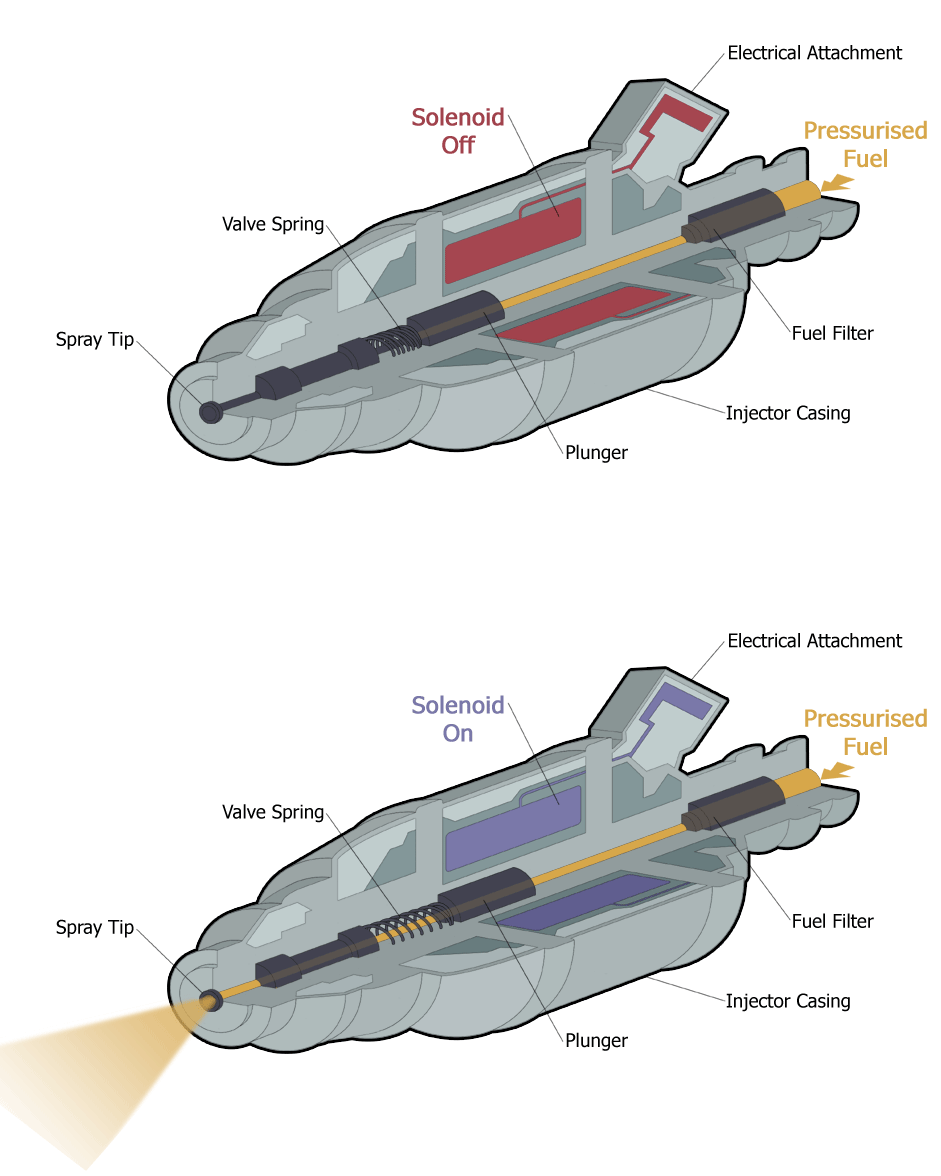
Fuel injectors play a very important role in the engine’s fuel delivery system in that they deliver the exact amount of gasoline that the engine needs, even as the requirements shift quickly and constantly. An injector is a valve with electronic controls that receives signals from the engine control unit.

- Engine misfires and decrease in power, acceleration, and fuel efficiency
- Fuel odor
- Check engine light comes on
- Inconsistent Engine Power
- Uneven Engine Idling
- Bad gas mileage
- Fuel leakage.
“The biggest reason for fuel injector failure is low-grade fuel,” says Jon Milne, owner of Milne Auto Restoration in Atascadero, Calif.
Fuel injectors will fail when debris (water, dirt particles, etc.) or rust find their way into the system and, after time, plug up the nozzle, the armature, or the nozzle needle gets stuck.
“You can definitely delay the degradation process by buying high-quality fuel and changing your filters regularly to prevent debris from getting into the system,” Milne said. “That will prevent the injectors from corrosion or getting worn out faster in high mileage situations.”
- Don’t fill up when a gas station is receiving a new shipment of fuel, as any impurities in the fuel likely haven’t settled in the station’s tanks and could make their way into your truck.
- It’s also a good idea to avoid filling up from portable, job-site type fuel tanks that are more likely to have debris in floating in their tanks.
- When possible, purchase high-quality fuel from reliable stations that are known for their premium fuel — not just the best price.
- Keep your fuel system clean by regularly changing your fuel filters and avoiding aftermarket components that aren’t designed for your particular truck.
- If you keep your truck stored for an extended period, particularly in these winter months, it’s a good idea to fire up your engine occasionally to prevent corrosion of key parts of your fuel system. You should also consider fuel additives designed for stabilizing the fuel in your system.
- Scan the computer system in the car for codes.
- Visually inspect injectors for any signs of fuel/gas leakage.
- If accessible, OHM test each injector.
- Remove and replace the injector if it is bad.
- Replace the fuel filter it is not inside the fuel pump.
- Replace the plenum gasket.
- Inspect for fuel leakage.
- Clear diagnostic information.
- Test drive car.